|
|
Centro Historico (Downtown)
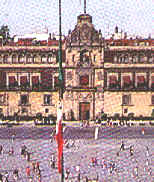
For Aztecs the gigantic 500-m-sided square ceremonial esplanade of Mexico-Tenochtitlan was the center of the world. It was reached by 4 avenues representing 4 directions of the universe. Today that square, now called "Plaza de la Constitucion", or "Zocala" in popular vernacular, not only holds 3 structures symbolic of culture and history of Mexico, Templo Mayor, Cathedral and Government Building, it is also a venue for parades, protests of fiestas. The gala occasion for this special place is most certainly on Sept. 15 every year, when huge crowd assembles, regardless of the weather or political or economic climate, to celebrate the biggest national fiesta all: Independence
Basilica de Guadalupe (Villa de Guadalupe)
Mexico's most revered place of worship; hundreds of thousands of pilgrims flock here the year round and especially on Dec. 12 (Virgin of Guadalupe Day).
Catedral Metropolitana (Zocalo)
It is mixture of 3 styles of architecture predominant in the colonial era: Renaissance, Baroque and Neoclassic. The Altar of Kings is magnificent. Also worth seeing, Altar of Forgiveness and paintings by "Cristobal de Villalpando", "Juan Correa" and "Juan Rodriguez Juarez".
Palacio Nacional (Zocalo)
Originally the palace of Hernan Cortes. Today the seat of executive power. Inside are three murals of Diego Rivera's and entitled collectively "Epic Poem of Mexican People".
Sagrario Metropolitano (Zocalo)
This structure is of the most flori baroque style. The facade is red lava stone and white quarry stone displays carvings of the 12 apostles and 12 prophets.
Casa de los Azulejos (Madreo 4)
It is remodeled around 1737 in the typical tiled style of Puebla. Inside is one of Jose Clemente Orozco's early murals: Omni-Science
Palacio de Las Bellas Artes
The exterior is art nouveau and interior art deco. Murals of Tamayo, Siqueiros, Rivera, Orozco and others embellish the walls. Gerardo Murillo designed the glass drop curtain made of million mosaic pieces.
Palacio de Mineria (Tacuba y Filomeno Mata)
Considered masterpiece of neoclassic architecture; focal points iside are the ground staircase and profusion of marble and gilt decor.
Palacio Postal (Tacuba y Eje Central)
Joint project of Italian Adamo Boari and Mexican Gonzalo Garita. The eclectic style includes plateresque with Gothic and Moorish touches.
Palacio de Iturbide (Madero 17)
Facade is of richly carved stone. Interior highlights are the dome over the lobby and colonnade.
Plaza Manuel Tolsa y Estatua de Carlos IV (Tacuba y Filomeno Mata)
The equestrian statue of Spanish King Charles IV, by architect and sculptor Manuel Tolsa, is thought to be one of the best of its kind in the world.
Casa de los Condesde San Mateo de Valparaiso (Isabel la Catolica y Venustiano Carranza)
Home of the Count of San Mateo de Valparaiso. Eye-catching feature of the exterior is elaborate facade; and of the interior, crossed arches and spectacular double staircase. The architect was Guerrero y Torres, who finished the mansion in 1772.
Palacio de la Escuela Medicina
Designed by Pedro de Arrieta, this is one of the most beautiful and original buildings of colonial period, completed in 1736.
Secretaria de Educacion Publica (Republica de Brasil 31)
Part of the old Incarnation Convent, founded in 1594. The cloister is from 18th century, and 1585 Sq. km of Diego Rivera paintings grace passage walls.
Templo de la Profesa (Madero e Isabel la Catolica)
Facade is held to be fine example of transitional baroque. Neoclassic interior houses valuable neo-Hispanic art gallery.
Templo de Santo Dominigo (Belisario Dominiguez Esq., Rep. de Brazil)
Dates from 18th century. The huge baroque facade displays carvings of St. Augustine and St. Francis and other relief work. Fine Churrigueresque, baroque and neoclassic altars inside.
Templo Mayor (Seminario 8)
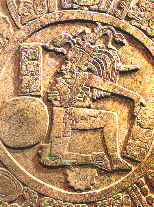
Remains of the monumental Aztec structures: Sculptures, altars and shrines
Templo y Hospital de San Felipe de Jesus (20 de Noviembre 82)
The vault over the church choir section has one of Orozco's best Murals: Apocalypse
|
|